

Basics of Bus Air Conditioning
Definition: Bus Air Conditioning is the cooling, dehumidification, and filtration of the air within the passenger compartment of your vehicle.
| The Bus Air Conditioning Refrigeration Cycle | Component Definitions | |||||||||
|
|


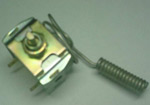
Thermostat
- A temperature sensitive device, which when activated, signals the electromagnetic compressor clutch to engage.
- Located in the return air of the evaporator
Inner Connecting Electrical
- Connects air conditioning components through the use of electrical wiring to control system operation
- Electrical System Control Types (General)
- Basic
- Microprocessor
- Multiplex
Electromagnetic Clutch
- A key component of the compressor that controls its operation.
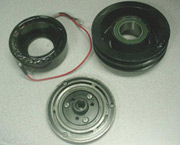
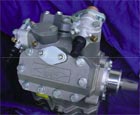
Compressor
- A belt-driven, high pressure pump, which circulates the refrigerant through the air conditioning system.
- Compressors are mounted via brackets in the engine compartment
- Systems can have one or more compressors
- Compressor Type / Sizes


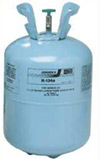
Refrigerant
- A material, which possesses high heat transfer capabilities.
- Acts as the medium for heat transfer, which facilitates the movement of heat from the passenger compartment to the outside air.
- Refrigerant, under varying pressures, exists in different states, and performs different heat absorbing functions
- Under low pressure, refrigerant exists as a gas which can absorb heat
- Under high pressure, refrigerant exists as a liquid which can reject heat.
- The heat transfer properties exhibited when refrigeration changes state is the foundation of the refrigeration cycle.
Inner Connecting Hoses
- Connects air conditioning components by means of hoses and fittings in order to transport refrigerant throughout the system
- Hose / Fitting Types
- Beadlock
- Barb
- O-Ring
- Aeroquip (EZ Clip)
- TA Clip-Loc (Burgaflex)
- Reusable ORS
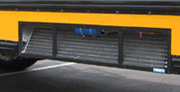
Condenser
- Rejects heat, which was transferred to the refrigerant, by the evaporator, from the passenger compartment of the vehicle. As heat is rejected, gas refrigerant condenses to a liquid.
- Generally located outside the vehicle (skirt or roof)
- Systems can have one or more condensers
- Condenser Types


Filter Drier
- Located within the condenser
- Removes moisture and particulate matter from refrigerant within the liquid line.
- Moisture in the refrigerant of an air conditioning system causes system contamination and eventually could lead to total system failure.
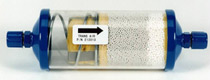
Sight Glass
- Located within the condenser
- Allows for visualization of the filtered liquid refrigerant to assess the level of moisture and/or particle contamination within the system.
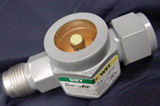
Expansion Valve
- Acts as a "spray nozzle" to meter refrigerant into the evaporator coil from the liquid line.
- High pressure created from compressor operation is lowered by the expansion valve.
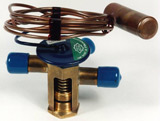
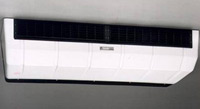
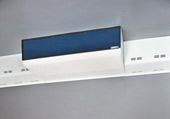
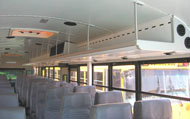
Evaporator
- Transfers heat, contained in the passenger compartment air, into the refrigerant, which is circulated by the compressor, through the evaporator coil. During this transfer process, the air is also filtered and dehumidified.
- Generally located inside the interior of the vehicle
- Systems can have one or more evaporators
- Evaporator Types